LVT flooring in Teesside
LVT flooring in Teesside costs £25 to £50 per square metre supplied and fitted in 2026. Luxury vinyl tile is waterproof, warm underfoot, quiet, and tough enough for a hallway with a dog and two bikes, which is why it now outsells laminate in kitchens and open-plan ground floors.
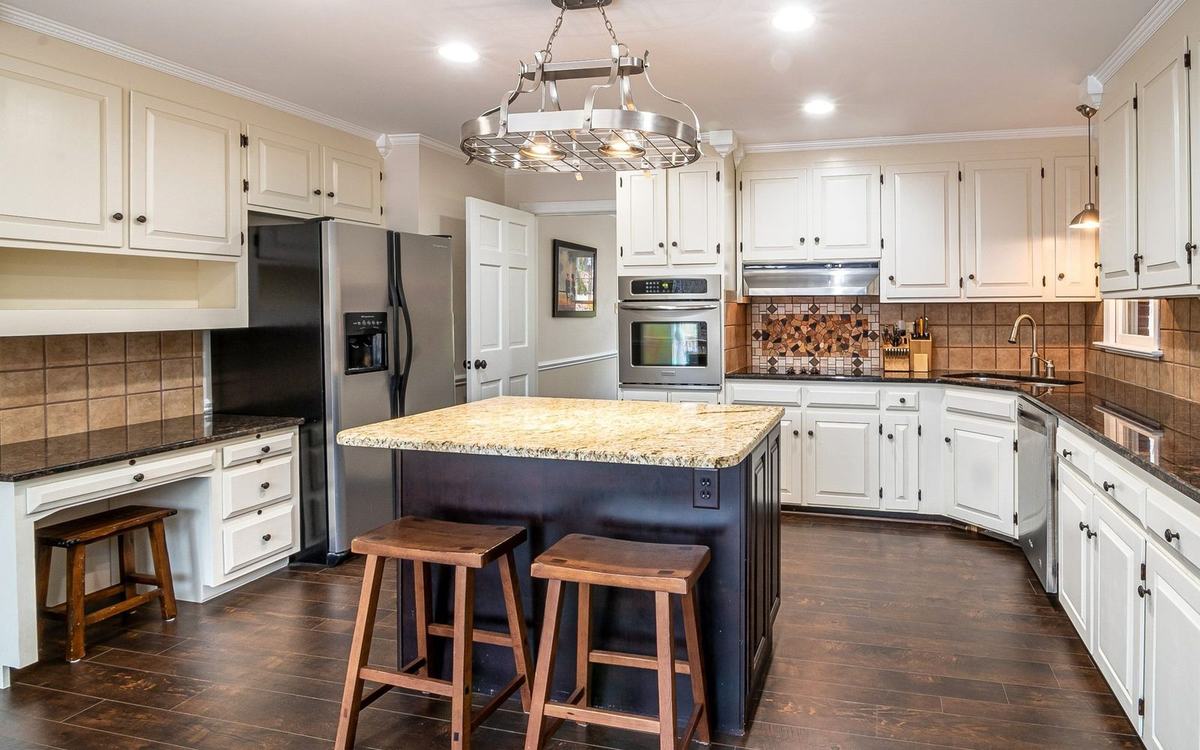
Why it took over the ground floor
LVT solves the argument between wanting wood and needing something that survives a wet dog, a leaking washing machine and school shoes in December. It is a vinyl plank or tile with a printed decor layer under a clear wear layer, so it takes spills and steam without swelling, stays warm to bare feet, and absorbs noise instead of amplifying it like laminate does. Fitted in plank form with a bevelled edge, at a metre away it reads as timber. Fitted as tile with grout strips, it reads as stone at a fraction of the weight and none of the cold.
Click or glue-down?
- Click LVT (rigid core): floats over the existing base with an integrated or separate underlay. Faster to fit, more forgiving of a slightly uneven floor, easy to lift a plank later. Usually the middle of the price range.
- Glue-down LVT: bonded plank by plank to the subfloor. Thinner, more stable, better over underfloor heating, and the format commercial jobs use. It demands a properly flat, dry base, which is where levelling costs appear.
- Wear layer is the spec that matters: 0.3mm suits a spare bedroom, 0.55mm is the sensible domestic standard for kitchens and halls, 0.7mm and above is for commercial traffic.
What moves the price
Product accounts for most of the £25 to £50 spread: entry-level click plank at the bottom, thick wear layers, longer planks, herringbone and stone-format tiles with grout lines towards the top. Preparation accounts for the rest. Glue-down over an old Teesside kitchen floor often means lifting quarry tiles or bitumen-bedded thermoplastic, then latex screed at £8 to £15 per m² to get it flat, and none of that is optional if you want a floor without telegraphed lumps. Pattern lays add labour and wastage. Stairs, if you want them matched, are priced per riser rather than per square metre.
Kitchens, halls and the coast
The recurring Teesside jobs are a knocked-through kitchen diner in a Billingham or Thornaby semi, a hallway in a Middlesbrough terrace where the original tiles have long gone, and an open-plan ground floor on the Ingleby Barwick estates where underfloor heating rules out anything thick. Near the sea at Redcar, Marske and Seaton Carew, wind-blown sand is the enemy of soft finishes, and a 0.55mm or thicker wear layer plus a decent barrier mat at the door is what keeps a hallway looking new. In wet rooms, bathrooms and utility rooms, compare it with sheet vinyl and safety flooring, which welds into a continuous waterproof surface.
How long it lasts
A domestic 0.55mm LVT floor, mopped rather than flooded, with felt pads on the chairs and grit kept at the door, should give 15 to 20 years before it looks tired. Damage is repairable in a way laminate is not: an individual glued plank can be lifted with heat and replaced, which is a strong argument for keeping a box of offcuts in the loft. If you want the real timber and can live with the care regime, price it against engineered wood; the comparison guide is blunt about which suits which room.