Engineered wood flooring in Teesside
Engineered wood flooring in Teesside costs £35 to £70 per square metre supplied and fitted in 2026. A real timber wear layer over a stable plywood core, it suits suspended floors in the older terraces and glues down happily over slab and underfloor heating in the newer estates.
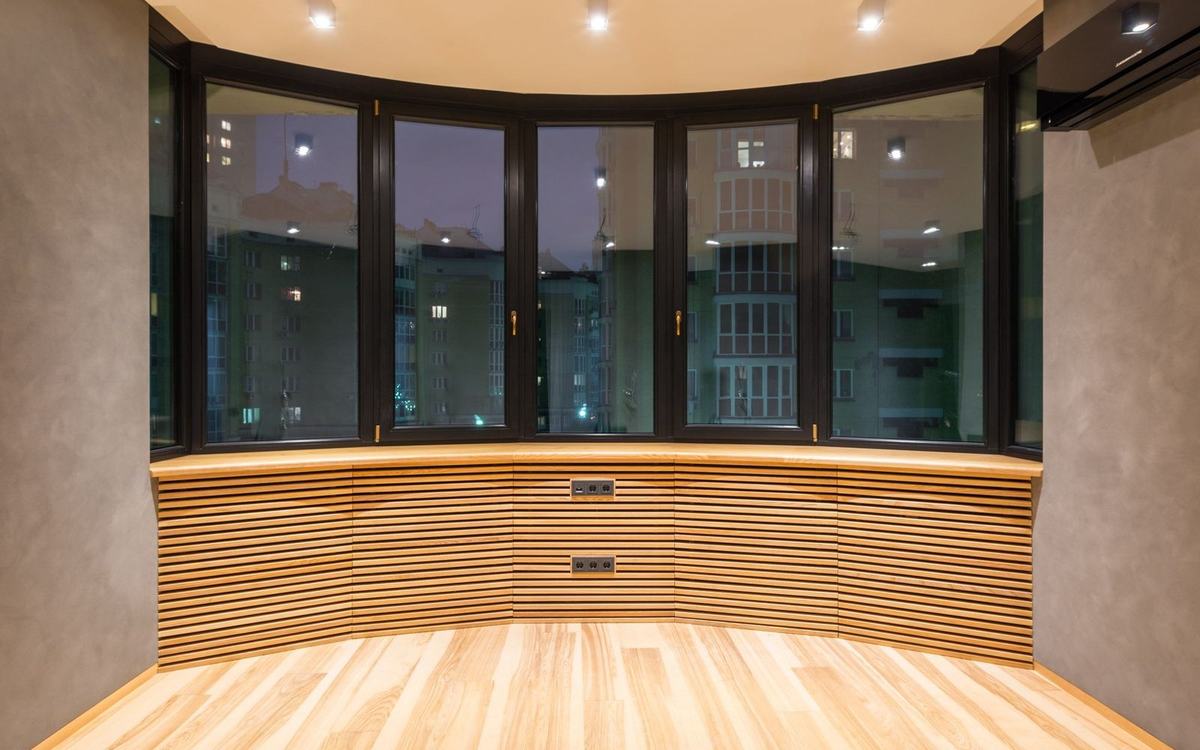
Real wood that copes with a British winter
Engineered board is a genuine timber wear layer, usually oak, bonded to a cross-laminated core. That construction is why it moves so little when the heating goes on in October and off again in April, and why it works where solid boards misbehave: over concrete slabs, over underfloor heating, in kitchens and open-plan rear extensions with big glazed doors. It looks identical to solid wood underfoot because the surface is solid wood, and a 4mm or 6mm top layer can be sanded back and refinished later instead of skipped.
What the price covers
- Supply and fit at £35 to £70 per m²: board, underlay or adhesive, and labour, with the spread driven by top layer thickness, board width and grade.
- Uplift and disposal: old carpet, grippers, staples or tired laminate out and taken away.
- Fitting method to suit the base: floating over acoustic underlay, secret-nailed to joists, or fully bonded with flexible adhesive over screed.
- Expansion gaps and trims: perimeter gaps hidden by scotia or reinstated skirting, thresholds at doorways, doors eased where the new height demands.
- Acclimatisation: boards left in the room for several days first, which is what stops shrinkage gaps appearing after the first cold snap.
What moves the price
Top layer thickness is the big one. A 2.5mm wear layer sits near £35 per m² and is a one-sand floor; 6mm oak with a brushed and oiled finish pushes past £60 and can be refinished twice. Width matters too, because 180mm and 220mm planks cost more per square metre and look considerably better in a big room. Then the base: bonding to a slab needs a moisture test and often latex levelling at £8 to £15 per m², while a bouncy Victorian floor may want boards screwed down or a plywood overlay before anything nice goes on top. Herringbone and chevron layouts add labour and roughly 15 per cent wastage, so they belong in the quote conversation from the start rather than as an upgrade halfway through.
Where it earns its money on Teesside
In the Linthorpe and Norton bay-window houses, engineered oak in a through lounge reads as period-appropriate without the seasonal gapping that solid boards suffer over a suspended floor. In Ingleby Barwick and the newer Wynyard developments, it is one of the few timber options a fitter will bond straight onto a heated slab, provided the tog rating of the buildup stays low and the heating is commissioned properly before and after fitting. If you already have old pine under the carpet, price up sanding and restoration before buying new boards: the answer is sometimes to keep what you have.
Living with it
Engineered wood wants a doormat, felt pads under chairs, and a damp mop rather than a wet one. Oiled finishes are easy to spot-repair and want a maintenance coat every couple of years; lacquered finishes are tougher day to day but harder to patch invisibly. Neither enjoys a bathroom, and neither enjoys a dog's claws on a soft finish, which is a fair reason to compare it against LVT before committing. The comparison guide puts the three side by side.