Floor sanding and restoration in Teesside
Floor sanding and restoration in Teesside costs £20 to £35 per square metre in 2026, covering repairs, dust-extracted sanding and three coats of lacquer or hardwax oil. Under the carpet in most pre-1940 terraces sits a pine floor that costs less to restore than to replace.
The floor you already paid for
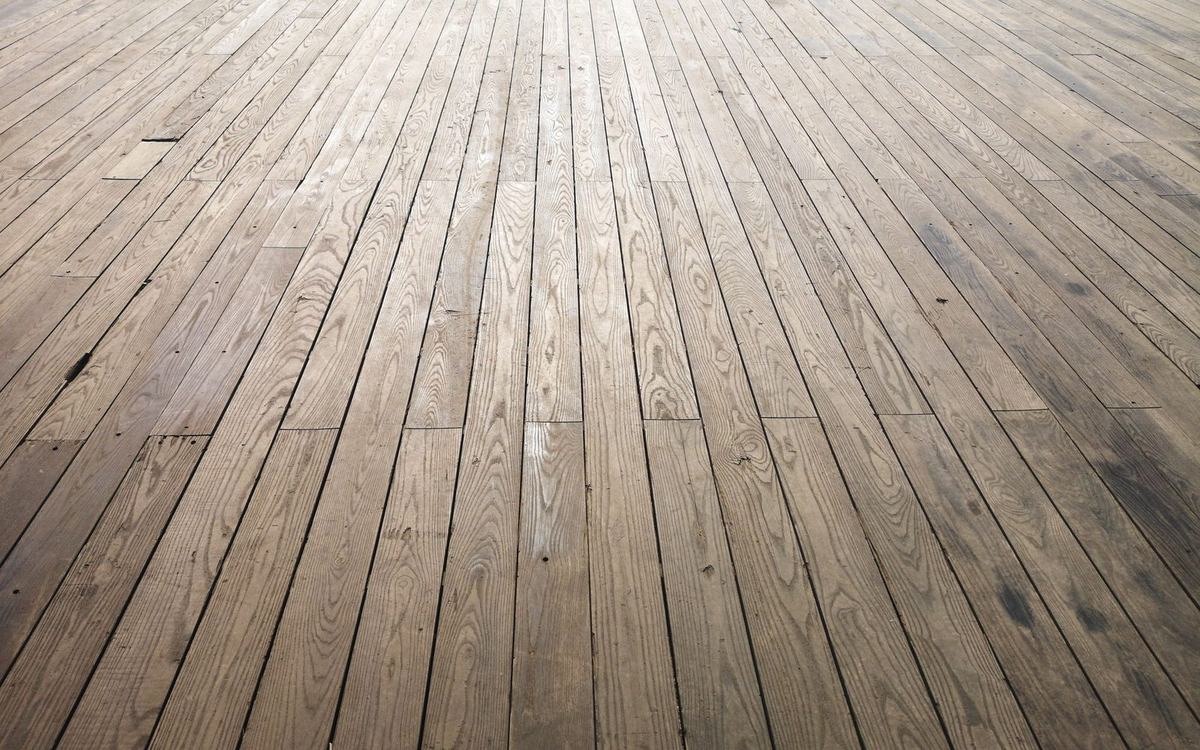
Lift the carpet in a Victorian or Edwardian terrace in Middlesbrough, Stockton or Hartlepool and there is usually a pine floor underneath, tacked, scuffed and paint-spattered but structurally fine. Restoring it costs less per square metre than any new timber floor, keeps the room's original height and skirting relationship, and produces a surface no factory board quite matches. Parquet blocks turn up too, most often in 1930s hallways and the odd 1960s public building conversion, and a herringbone parquet floor brought back properly is worth serious money to a house.
What the work involves
- Preparation: tacks, staples and old gripper pulled, loose boards screwed to joists, squeaks silenced, and gaps filled or resin-slivered where the draught matters.
- Repairs: split or rotten boards swapped for reclaimed stock of the same species and width, missing parquet blocks sourced and re-laid.
- Sanding: coarse to fine grits with a belt or planetary machine, edger around the perimeter and a corner tool into the awkward bits, all through dust extraction so the house stays liveable.
- Finishing: two or three coats of water-based lacquer or hardwax oil, with drying time between coats and light abrading before the final coat.
- Optional colour: a stain or a white or grey hardwax to lift a dark pine floor, sampled on the actual boards before anyone commits.
What moves the price
Condition first. A sound pine floor in a single room sits near £20 per m²; heavy repairs, bitumen-stained parquet or a floor covered in old adhesive can push past £35. Room size cuts the other way, because the setup, edging and finishing are fixed costs and the machine work is fast, so a whole ground floor prices better per square metre than one small bedroom. Finish choice matters: hardwax oil is easy to repair and easy to top up later, lacquer is harder-wearing under hallway traffic and needs a full re-sand when it eventually wears through. Staircases are quoted separately and are labour-heavy.
Living with the job
A typical room takes one to two days including drying, and a full ground floor three to five. Modern extraction keeps the dust to a fraction of the old horror stories, but the room still needs to be empty and the finish still needs a day or two of light use only, and a week before rugs go back down. Timing it before you decorate is sensible, since edging equipment and skirting boards do not get along.
Restore or replace?
Boards worth saving are ones with enough thickness above the tongue and no widespread rot or woodworm damage. Where damp, an old bad repair or a floor patched with six different timbers is the situation, new engineered wood is the more honest spend. The restore versus replace guide gives the checks you can do yourself with a screwdriver and a torch before anyone quotes.